


It takes courage to be seen. To put your work out there. To share before it’s perfect. To stop hiding. We don’t always talk about the cost of being seen. Not just emotional cost. Not just fear. The energy.
Being visible consumes energy.
It requires you to hold awareness of yourself from the outside. To imagine how something will land. To monitor reactions. To stay responsive. Even when feedback is kind, it changes the atmosphere around the work.
Some people regenerate that energy quickly.
Some don’t. (me, an introvert, raises hand from back of the class)
For some, visibility feels expansive.
For others, it’s metabolically expensive.
Neither is wrong. But the math matters.
Ideas change when they’re watched. When an idea is still forming, it’s soft. It contradicts itself. It experiments. It wanders. It makes strange connections without needing to justify them. Under observation, something shifts. The idea begins to perform. It tightens. It anticipates reaction. Sometimes that strengthens it. Sometimes it stiffens it. There’s a subtle pressure to make sense sooner than it naturally would. To package before processing. To declare before discovering.
In a culture that rewards documentation (hello social media) , it’s easy to feel like everything should be shared in real time. That progress is only valid if it’s visible.
But not every idea benefits from an audience.
Some ideas need incubation. Some need obscurity. Some need to be lived with before they’re explained. Some need to be messy without witnesses.
Privacy is not the same as hiding.
It can be stewardship.
There are seasons where sharing feels aligned and energizing. And there are seasons where quiet protects something fragile and necessary.
There’s also a difference between creating for an audience and creating for yourself. I’ve felt it. When I started taking more risks, leaning into the stranger ideas in my head, the ones I loved but wasn’t sure anyone else would. I felt more fulfilled. Not necessarily more validated. Just more aligned. The work felt lighter. Less negotiated. It didn’t have to perform.
Sustainable creativity isn’t just about bravery.
It’s about pacing. It’s knowing when to step forward and when to let something grow without commentary. You don’t owe the world every stage of your thinking.
Not everything needs to be documented. Not every idea is ready for daylight.
Visibility has power. So does discretion.
And sometimes the most rebellious thing you can do in a performative culture is let your work ripen out of sight.
Over the past several months, I’ve intentionally stepped back from creating “content.” The ideas were still there, but the energy required to package them wasn’t. As I begin to return, I’m less focused on volume and more focused on sustainability, creating in ways that don’t make me feel like every moment needs polishing, editing, or turning into something optimized for sharing. Some things can just exist. And sometimes, that’s enough.
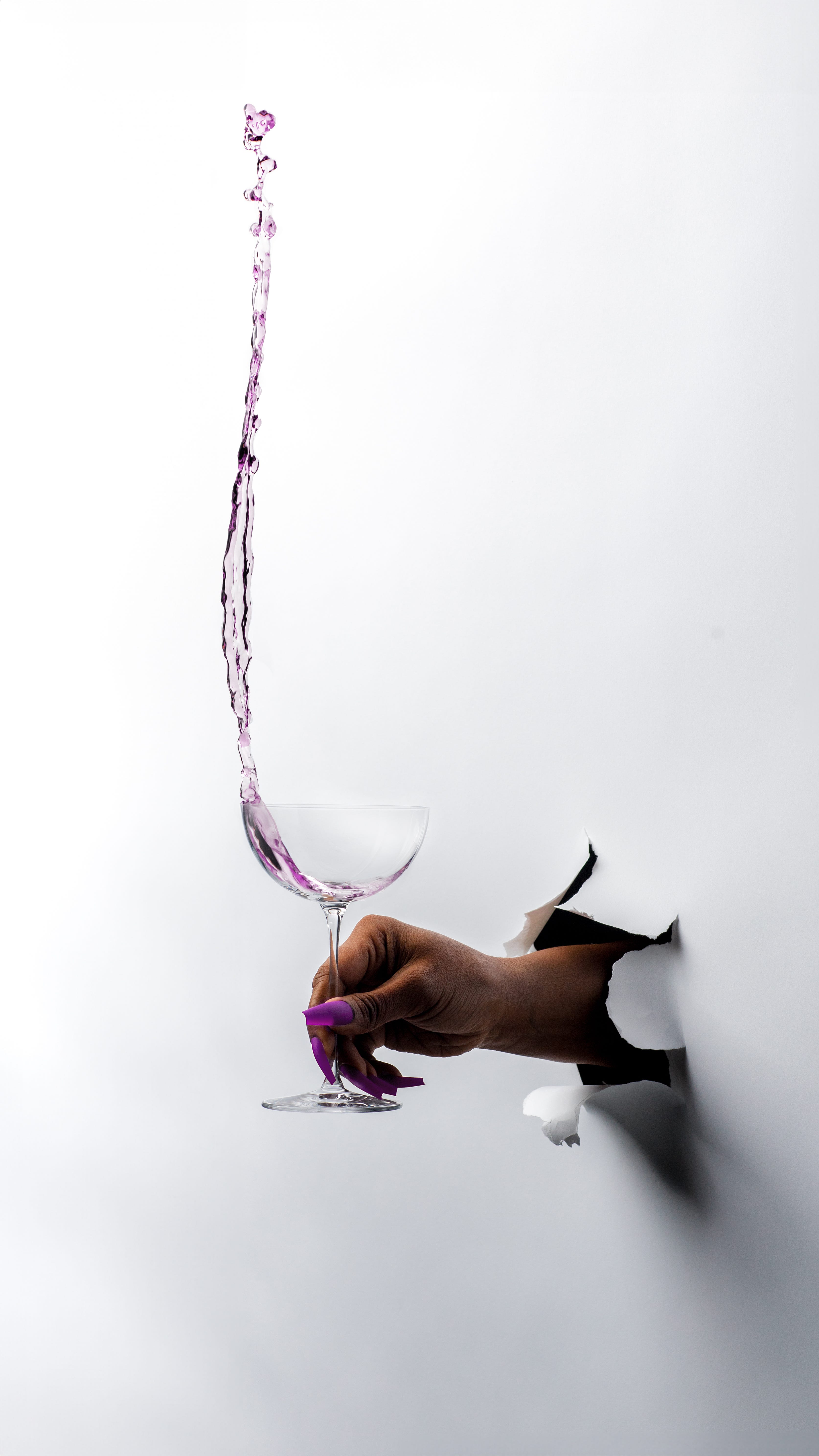
A Small Practice
Think of something you’re working on right now.
Ask yourself:
Is this idea strengthened by being shared?
Or does it need more time without outside input?
Am I sharing from alignment, or from pressure?
Then choose…
Being seen is most sustainable when it’s intentional.
If this resonates, I’d love to hear how you navigate visibility. Do you gain energy from being seen? Or does it cost you? You’re welcome to share in the comments. And if this kind of reflection feels grounding, you can subscribe to keep exploring the work behind the work.
xo